
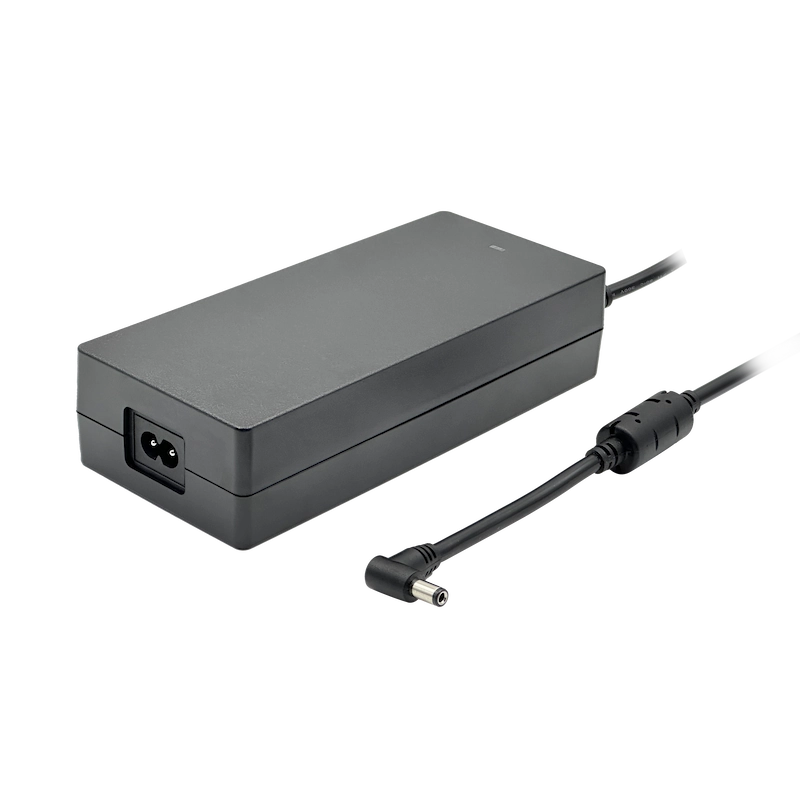
Battery Charger

For over fifteen years, YHYadapter has been a beacon of reliability in the power electronics industry. We cater to the evolving needs of OEM&ODM worldwide. Consequently, our extensive product catalog boasts nearly 500 power adapter products and continues to expand.

Features:
●ITE 62368; Medical 60601; Household 60335; Industrial 61558 approved
●100~240Vac input
●No load power consumption <0.075W~0.15W
●Energy efficiency Level VI
●Protections: Short circuit/ Overload/ Over voltage
●-40~+85℃ working temperature
●Various DC Plug Converter available
●3-5 years warranty

VIEW MORE

Understanding battery charging methods is critical for performance, safety, and longevity.

Lean

Battery Charging Knowledge

Factory Direct · Since 2010

Professional Battery Charger Manufacturer

Custom CC/CV charging solutions for lithium, LiFePO4 and lead acid batteries. OEM/ODM from 300 pcs. Global certifications. Factory direct pricing.

15+

Years Factory

130+

Staff

5M+

Annual Capacity

100+

Countries

UL Listed

CE Marked

FCC Part 15

KC / PSE

RCM / GS

CC / CV CHARGER

5W–300W

Power Range

5–56V

Output Voltage

Low

MOQ

High

Efficiency

PRODUCTS

Recommended Charging Solutions

Industrial-grade CC/CV battery chargers with customizable specifications and global certifications. Select up to 3 products to compare.

CC / CV

12.6V 5A Charger

12.6V 5A Battery Charger

Compact CC/CV charger for lithium and lead acid batteries. Ideal for CCTV systems, e-bikes and backup power.

Output Voltage

12.6V

Output Current

5A

Power

63W

Efficiency

12V

Charging Mode

CC / CV

Certification

UL / CE / FCC

CC / CV

48V 5A Charger

48V 5A Battery Charger

Compact CC/CV charger for lithium and lead acid batteries. Ideal for CCTV systems, e-bikes and backup power.

Output Voltage

48V

Output Current

5A

Power

240W

Efficiency

12V

Charging Mode

CC / CV

Certification

UL / CE / FCC

OEM Custom

Custom OEM Charger

Custom OEM Battery Charger

Full OEM/ODM development — any voltage, any current, any housing. From PCB design to mass production.

Output Voltage

12.6V

Output Current

5A

Power

63W

Efficiency

12V

Charging Mode

CC / CV

Certification

UL / CE / FCC

Applications

Charging Solutions by Application

Application-driven charging systems engineered for specific industry performance and safety requirements.

Medical Equipment

IEC 60601-1 compliant medical-grade charging systems with ultra-low leakage current and EMC shielding.

✅ UL 60601 / IEC 60601-1 Certified

✅ Leakage Current <100μA

✅ Low EMI / Low Ripple Noise

✅ Silent Fanless Design

✅ Patient Safety Grade Isolation

Robotics & AGV

Fast-charge battery systems for autonomous guided vehicles and industrial robotics requiring high uptime.

✅ Fast Charge 1C / 2C Rate

✅ Auto-Docking Compatibility

✅ Wide Temperature -20°C~60°C

✅ CAN Bus / Smart BMS Ready


Industrial Equipment

Rugged battery chargers for factory floor automation, power tools and heavy industrial machinery.

✅ Wide Input 85–264Vac Universal

✅ Industrial DIN Rail Mount

✅ Long MTBF >50,000 Hours

✅ OVP / OCP / SCP Protection

✅ CE / UL Industrial Grade

E-Mobility

LiFePO4 and Li-ion chargers for e-bikes, e-scooters and light electric vehicles with IP65 protection.

✅ 24V / 36V / 48V / 60V Versions

✅ Smart BMS Communication

✅ CE Certified

✅ Compact Portable Designa


Smart Home Devices

Low-noise, ultra-compact chargers for smart home sensors, security systems and IoT backup power.

✅ Ultra-Compact Form Factor

✅ Ultra-Low Standby <0.21W

✅ EMC Class B Compliant

✅ FCC Part 15 / CE Marked

✅ Custom Connector Options

Smart Home Devices

Low-noise, ultra-compact chargers for smart home sensors, security systems and IoT backup power.

✅ Ultra-Compact Form Factor

✅ Ultra-Low Standby <0.21W

✅ EMC Class B Compliant

✅ FCC Part 15 / CE Marked

✅ Custom Connector Options

PRODUCTS

Power Solution Platforms

Not just products — complete power delivery ecosystems designed around your application requirements.

MEDICAL

Medical Power Platform

IEC 60601 compliant charging systems for patient-connected and patient-adjacent devices.

60601-1 Compliant

Low Leakage

UL Listed

INDUSTRIAL

Industrial Automation Charging

Reliable battery charging for AGV fleets, robotic arms and factory automation systems.

Fast Charge

CAN Bus

DIN Rail

INDUSTRIAL

Industrial Automation Charging

Reliable battery charging for AGV fleets, robotic arms and factory automation systems.

Fast Charge

CAN Bus

DIN Rail

INDUSTRIAL

Industrial Automation Charging

Reliable battery charging for AGV fleets, robotic arms and factory automation systems.

Fast Charge

CAN Bus

DIN Rail

INDUSTRIAL

Industrial Automation Charging

Reliable battery charging for AGV fleets, robotic arms and factory automation systems.

Fast Charge

CAN Bus

DIN Rail

INDUSTRIAL

Industrial Automation Charging

Reliable battery charging for AGV fleets, robotic arms and factory automation systems.

Fast Charge

CAN Bus

DIN Rail

OEM / ODM

Custom Battery Charger Development

Full-cycle development from electrical requirements to mass production. 15+ years serving industrial brands worldwide.

Customizable Features

IEC 60601-1 compliant medical-grade charging systems with ultra-low leakage current and EMC shielding.

Output Voltage

Charging Current

Connector Type

Cable Length

Housing Design

Logo Printing

Non-waterproof

Charging Curve​

Target Certification

Communication Protoco

1-7days

Standard Sample Lead Time

~30 days

Custom Prototype Lead Time

Low

MOQ

15–35 days

Mass Production Lead Time

OEM Development Process

A structured 4-stage process ensuring quality from first schematic to final shipment.

1

Requirements & Specification

Define voltage, current, battery chemistry, certifications, connector type, housing, and branding requirements with our application engineers.

2

Prototype Design & Development

Schematic design, PCB layout, component selection and prototype assembly. Engineering samples delivered in ~30 days for your evaluation.

3

Testing & Certification

Performance testing, safety verification (OVP/OCP/SCP), thermal aging, EMC testing, and certification application (UL/CE/FCC etc.).

4

Mass Production & Delivery

Production runs with inline QC, final 100% electrical test, packaging to your spec, and global logistics coordination.

Applications

Charging Solutions by Application

Application-driven charging systems engineered for specific industry performance and safety requirements.

Datasheet

12V Series Datasheet

Full electrical specifications, CC/CV curves, mechanical drawings and connector details.

Datasheet

12V Series Datasheet

Full electrical specifications, CC/CV curves, mechanical drawings and connector details.

Datasheet

12V Series Datasheet

Full electrical specifications, CC/CV curves, mechanical drawings and connector details.

Datasheet

12V Series Datasheet

Full electrical specifications, CC/CV curves, mechanical drawings and connector details.

Datasheet

12V Series Datasheet

Full electrical specifications, CC/CV curves, mechanical drawings and connector details.

Datasheet

12V Series Datasheet

Full electrical specifications, CC/CV curves, mechanical drawings and connector details.

Datasheet

12V Series Datasheet

Full electrical specifications, CC/CV curves, mechanical drawings and connector details.

Datasheet

12V Series Datasheet

Full electrical specifications, CC/CV curves, mechanical drawings and connector details.

Factory Credentials

Why Buyers Trust YHYadapter

15+

Years Manufacturing

Founded 2010, battery charger expertise since day one

5M+

Annual Production Capacity

6,000m² factory, 3 SMT lines, 18 aging racks

100+

Countries Served

USA, EU, Japan, Korea, Australia, India & more

9+

Active Certifications

UL, CE, FCC, KC, RCM, PSE, GS, BIS, CCC

Knowledge Center

Battery Charging Engineering Guide

Deep-dive technical content for engineers and procurement specialists. Cited by industry professionals worldwide.

FUNDAMENTALS

What is CC/CV Charging and Why It Matters

Constant Current / Constant Voltage (CC/CV) is the universal charging algorithm for lithium-based batteries. During the CC phase, the charger delivers fixed current while voltage rises. When voltage reaches the threshold (e.g. 4.2V per cell for Li-ion), the charger switches to CV mode, holding voltage steady while current tapers to near zero — signaling full charge.

Why it matters: Overcharging Li-ion cells causes electrolyte decomposition and thermal runaway. CC/CV prevents this by precisely terminating charge current at the right threshold, extending cycle life by 20–40%.

FUNDAMENTALS

What is CC/CV Charging and Why It Matters

Constant Current / Constant Voltage (CC/CV) is the universal charging algorithm for lithium-based batteries. During the CC phase, the charger delivers fixed current while voltage rises. When voltage reaches the threshold (e.g. 4.2V per cell for Li-ion), the charger switches to CV mode, holding voltage steady while current tapers to near zero — signaling full charge.

Why it matters: Overcharging Li-ion cells causes electrolyte decomposition and thermal runaway. CC/CV prevents this by precisely terminating charge current at the right threshold, extending cycle life by 20–40%.

FUNDAMENTALS

What is CC/CV Charging and Why It Matters

Constant Current / Constant Voltage (CC/CV) is the universal charging algorithm for lithium-based batteries. During the CC phase, the charger delivers fixed current while voltage rises. When voltage reaches the threshold (e.g. 4.2V per cell for Li-ion), the charger switches to CV mode, holding voltage steady while current tapers to near zero — signaling full charge.

Why it matters: Overcharging Li-ion cells causes electrolyte decomposition and thermal runaway. CC/CV prevents this by precisely terminating charge current at the right threshold, extending cycle life by 20–40%.

FUNDAMENTALS

What is CC/CV Charging and Why It Matters

Constant Current / Constant Voltage (CC/CV) is the universal charging algorithm for lithium-based batteries. During the CC phase, the charger delivers fixed current while voltage rises. When voltage reaches the threshold (e.g. 4.2V per cell for Li-ion), the charger switches to CV mode, holding voltage steady while current tapers to near zero — signaling full charge.

Why it matters: Overcharging Li-ion cells causes electrolyte decomposition and thermal runaway. CC/CV prevents this by precisely terminating charge current at the right threshold, extending cycle life by 20–40%.

FUNDAMENTALS

What is CC/CV Charging and Why It Matters

Constant Current / Constant Voltage (CC/CV) is the universal charging algorithm for lithium-based batteries. During the CC phase, the charger delivers fixed current while voltage rises. When voltage reaches the threshold (e.g. 4.2V per cell for Li-ion), the charger switches to CV mode, holding voltage steady while current tapers to near zero — signaling full charge.

Why it matters: Overcharging Li-ion cells causes electrolyte decomposition and thermal runaway. CC/CV prevents this by precisely terminating charge current at the right threshold, extending cycle life by 20–40%.

FUNDAMENTALS

What is CC/CV Charging and Why It Matters

Constant Current / Constant Voltage (CC/CV) is the universal charging algorithm for lithium-based batteries. During the CC phase, the charger delivers fixed current while voltage rises. When voltage reaches the threshold (e.g. 4.2V per cell for Li-ion), the charger switches to CV mode, holding voltage steady while current tapers to near zero — signaling full charge.

Why it matters: Overcharging Li-ion cells causes electrolyte decomposition and thermal runaway. CC/CV prevents this by precisely terminating charge current at the right threshold, extending cycle life by 20–40%.

Start Your Charging Project

Tell us your battery type, voltage, current and application. Our engineers respond within 24 hours with a full specification match and quote.

Battery Charger
Scroll to Top
WhatsApp WeChat Email Facebook